
Basic Concept of Stock Market with Example
You don’t need a background in math or finance to understand the stock market. The stock market is essentially a marketplace at its most fundamental level. But rather than shopping for clothes or vegetables at a market, people go to the stock market to buy and sell small pieces of actual businesses. A step-by-step breakdown of the system as a whole can be found here.
The Origin: Why do companies sell stock?
Imagine a man by the name of Bob, who runs “Bob’s Bakery,” a local business that is extremely successful. He makes the best bread in the city, and there is always a line out the door.
Bob wants to open five new bakeries across the state, but doing so will cost ₹1 Crore (or $100,000). Bob does not have that much cash on hand, and he does not want to take out a substantial bank loan because the interest payments would be exorbitant. Bob, on the other hand, devises a different strategy. He decides to divide his company’s ownership into 100,000 equal pieces. A share (or stock) is the name given to each of these pieces. He decides to keep 51,000 shares for himself so that he always owns the majority of the company and stays in control. He takes the remaining 49,000 shares and offers them to the public for a set price—let’s say ₹100 per share.
When a company does this for the very first time, it is called an Initial Public Offering (IPO).
Regular people buy these shares and give Bob their money. Bob now has the cash he needs to build his new bakeries, and the people who bought the shares are now shareholders. They actually own a very small amount of Bob’s business.
The Exchange:
Where trading happens
Fast forward a year. Bob has taken the money, built the bakeries, and is busy baking bread.
Now, picture Alice, a woman who purchased 100 shares of Bob’s Bakery during the IPO. She wants to sell her shares because she needs money to buy a new car. She is unable to return to Bob and request a refund because Bob has already spent the money on flour and ovens. Instead, Alice must locate an additional common individual who wishes to purchase her shares. This is where the Stock Exchange comes in (like the National Stock Exchange in India, or the New York Stock Exchange in the US). An exchange is simply a highly secure, massive digital matchmaking service. It constantly pairs up people who want to sell shares with people who want to buy them. When Alice sells her shares to a new buyer named Charlie, Bob the baker isn’t involved at all.
Why do stock prices go up and down?
This is the part that often confuses people, but it all comes down to a basic rule of economics: Supply and Demand.
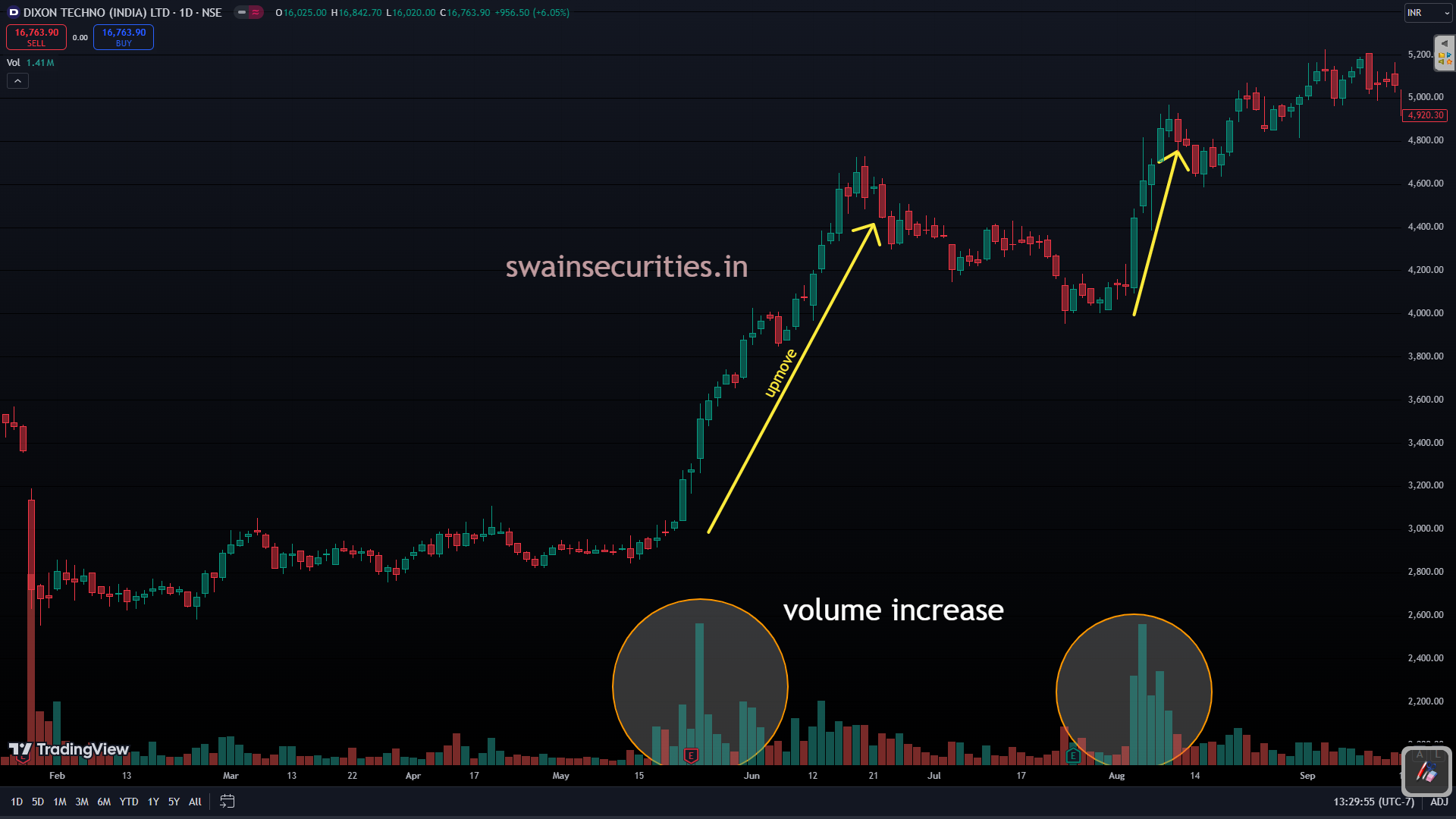
The Cost Increases: Picture Bob announcing on television that the profits from his new bakeries are three times higher than he anticipated. Everyone wants a piece of Bob’s Bakery all of a sudden. But there are only a limited number of shares in existence. Because so many people want to buy (high demand) and very few people want to sell (low supply), buyers have to offer more money to convince someone to part with their shares. It’s possible that the bid will go up to 150. The Price Goes Down: Now imagine the opposite. Either the main oven of Bob explodes, or people stop eating bread suddenly. The shareholders lose it. They think the company is going to lose money, so they rush to the stock exchange to sell their shares. Because everyone is trying to sell (high supply) and no one wants to buy (low demand), sellers have to lower their asking price to attract a buyer. The price might drop from ₹100 to ₹60.
Stock prices change every second of the day because millions of investors are constantly reacting to news, guessing how well companies will do in the future.
How do you actually make money?
When you invest in the stock market, you are hoping to make money in two primary ways:
The most prevalent strategy for capital appreciation is known as “Buy Low, Sell High.” If you buy shares of Bob’s Bakery at ₹100, and five years later the company is massive and the shares are worth ₹500, you can sell them and pocket the ₹400 difference as pure profit.
Dividends (Profit Sharing): Some established companies make so much profit that they don’t need to reinvest all of it back into the business. Instead, they take a chunk of that cash and distribute it directly to their shareholders as a “thank you” for trusting them. If Bob pays a ₹5 dividend per share, and you own 100 shares, cash simply appears in your account.
The Risk: The Final Catch If Bob’s Bakery continues to grow, everybody wins. But if Bob makes terrible business decisions, people stop buying his bread, and the bakery goes totally bankrupt, those shares you bought become completely worthless. You lose the money you invested.
Because trying to pick which single company will succeed is very risky, most modern investors don’t just buy “Bob’s Bakery.” Instead, they buy something called a Mutual Fund or an Index Fund. These are essentially financial “combo meals.” When you put money into an index fund, your cash is automatically divided up and used to buy tiny fractions of hundreds of different companies at the exact same time. If one bakery fails, you are protected because you also own a piece of a booming tech company, a stable bank, and a profitable hospital.
In short, the stock market is simply the engine of global business. It allows companies to raise the money they need to invent, build, and grow, while allowing everyday people to financially benefit from the progress of the world.








Leave a Reply